Understanding the Trend
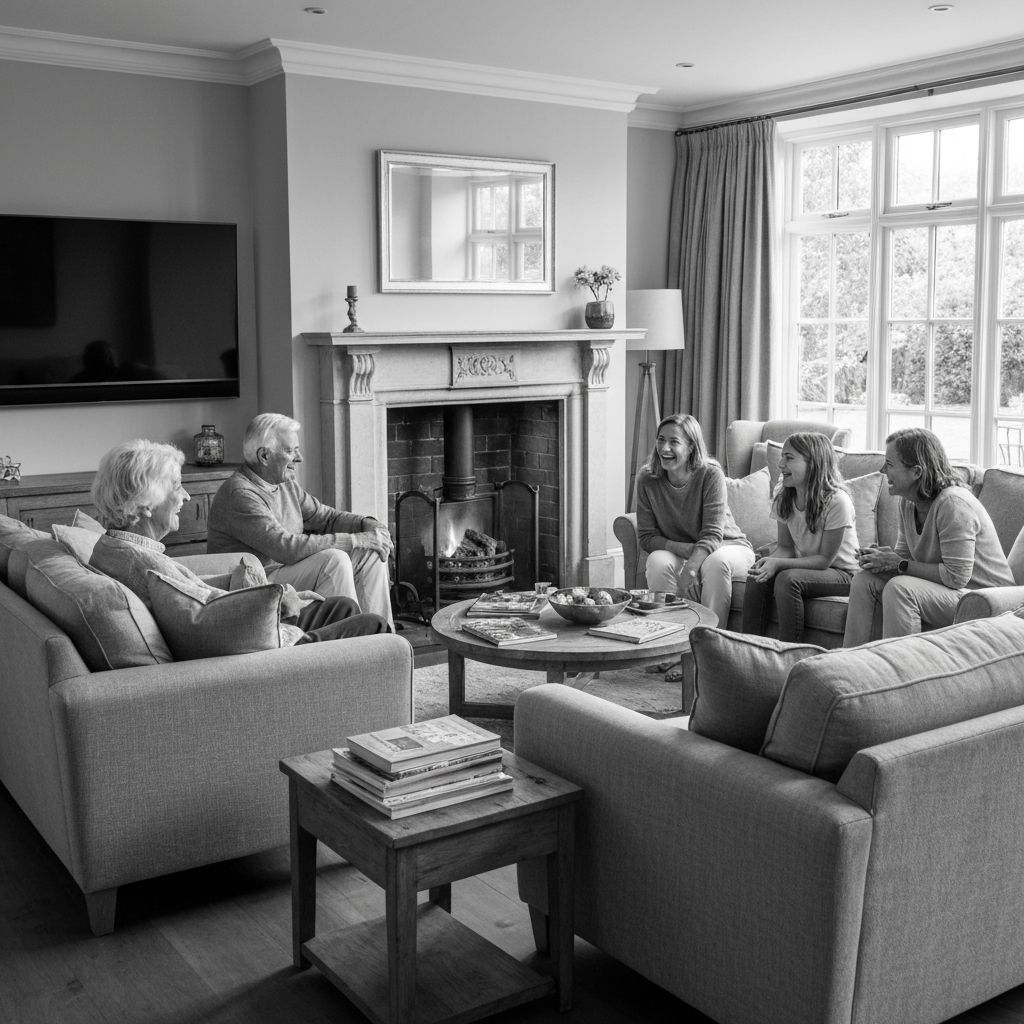
Multi-generational living, where grandparents, parents, and children share a home, has seen a significant increase across the United Kingdom in recent years. According to various housing surveys, the number of households containing multiple generations has grown substantially since 2010, with this trend accelerating following recent economic pressures.
While multi-generational living has always been common in many cultures around the world, it represents something of a return to historical norms for British families. Before the post-war housing boom, it was quite typical for extended families to live under one roof. Today's revival of this arrangement is driven by a combination of economic necessity and a renewed appreciation for the benefits of close family ties.
Why Families Are Choosing to Live Together
The reasons behind this trend are varied and often interconnected:
- Housing Affordability: With property prices and rental costs at historically high levels in many parts of the UK, combining households can make financial sense for all generations involved.
- Childcare Support: Grandparents can provide invaluable help with childcare, allowing parents to work while maintaining close family bonds.
- Elder Care: Adult children can more easily support ageing parents while avoiding the costs and emotional challenges of residential care.
- Shared Expenses: Utility bills, council tax, and maintenance costs can be divided among more earners.
- Companionship: Particularly following periods of isolation, many families have discovered they value living in closer proximity.
Practical Considerations for Your Home
If you're considering multi-generational living, there are several practical aspects to think about:
Space and Privacy
The most successful multi-generational homes typically offer some degree of separation. This might include:
- Separate living areas or annexes
- Multiple bathrooms
- A secondary kitchen or kitchenette
- Separate entrances where possible
Accessibility
If elderly family members will be living with you, consider accessibility features such as:
- Ground-floor bedroom and bathroom options
- Wider doorways and hallways
- Grab rails in bathrooms
- Good lighting throughout
- Minimal trip hazards like loose rugs or uneven flooring
Planning Permission
If you're planning to extend your property or convert a garage into a living space, you may need planning permission from your local authority. It's advisable to check with your local planning department before beginning any work.
Important Notice
Building regulations approval is typically required for any structural work, regardless of whether planning permission is needed. Always consult with qualified professionals before undertaking home modifications.
Financial Implications
Multi-generational living can have various financial implications that are worth considering:
Council Tax
The council tax situation depends on how your property is configured. A self-contained annexe may be assessed separately, while a shared home typically has a single council tax bill. Certain discounts may be available depending on the circumstances of household members.
Benefits and Pensions
Living arrangements can affect certain means-tested benefits and pension credits. It's advisable to seek guidance before making changes that could impact financial support.
Inheritance and Ownership
If family members are contributing to property modifications or purchases, it's important to formalise arrangements regarding ownership and inheritance. This protects all parties and prevents future disputes.
Disclaimer: This article is for general information purposes only and is not a substitute for individual advice from tax advisers, lawyers, doctors, financial advisers or competent authorities. The financial and legal aspects of multi-generational living can be complex, and professional advice should be sought for your specific circumstances.
Making It Work: Tips for Harmonious Living
Living with extended family requires effort from everyone involved. Here are some strategies that can help:
- Establish Boundaries: Discuss and agree on boundaries regarding privacy, shared spaces, and quiet times.
- Divide Responsibilities: Create clear agreements about who handles which household tasks and expenses.
- Maintain Communication: Regular family meetings can help address issues before they become problems.
- Respect Differences: Different generations may have different habits and preferences. Flexibility and compromise are essential.
- Plan for the Future: Discuss how arrangements might need to change as circumstances evolve.
Looking Ahead
Multi-generational living is likely to continue growing as a housing option in the UK. Some developers are now designing homes with this arrangement in mind, featuring separate but connected living spaces. Local authorities are also becoming more accommodating of annexe developments.
For many families, the benefits of shared living go far beyond the financial. The opportunity to strengthen family bonds, share experiences across generations, and provide mutual support can enrich the lives of everyone involved.
Sources / More Information
- Office for National Statistics - Household and Family Projections
- GOV.UK - Planning Permission Guidance
- Age UK - Information on Multi-Generational Living
- Citizens Advice - Council Tax Information